
Designing a running track for a smaller campus or training facility is an exciting opportunity to create a space that encourages movement, supports athletic development, and strengthens community engagement. While space limitations can present challenges, thoughtful planning and the right construction approach can result in a track that performs well and serves a wide range of users for many years.
Making the Most of Limited Space
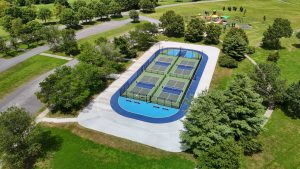
Not every property has room for a traditional full-size track, which is why flexible design solutions are so important. Smaller campuses can benefit from customized layouts such as shortened oval tracks, training lanes for sprint work, or looped pathways that double as walking routes. Careful site evaluation helps determine how the track can be integrated with existing fields, courts, or green space without disrupting daily campus activities.
Selecting Surfaces That Support Consistent Performance
Synthetic track systems are often preferred for training environments because they provide reliable traction and cushioning underfoot. These features help reduce fatigue during workouts and can contribute to a safer training experience. For facilities that expect frequent use from students, athletes, and recreational runners, investing in quality materials and proper base preparation is essential to maintaining performance over time.
Creating a Track That Serves Multiple Purposes
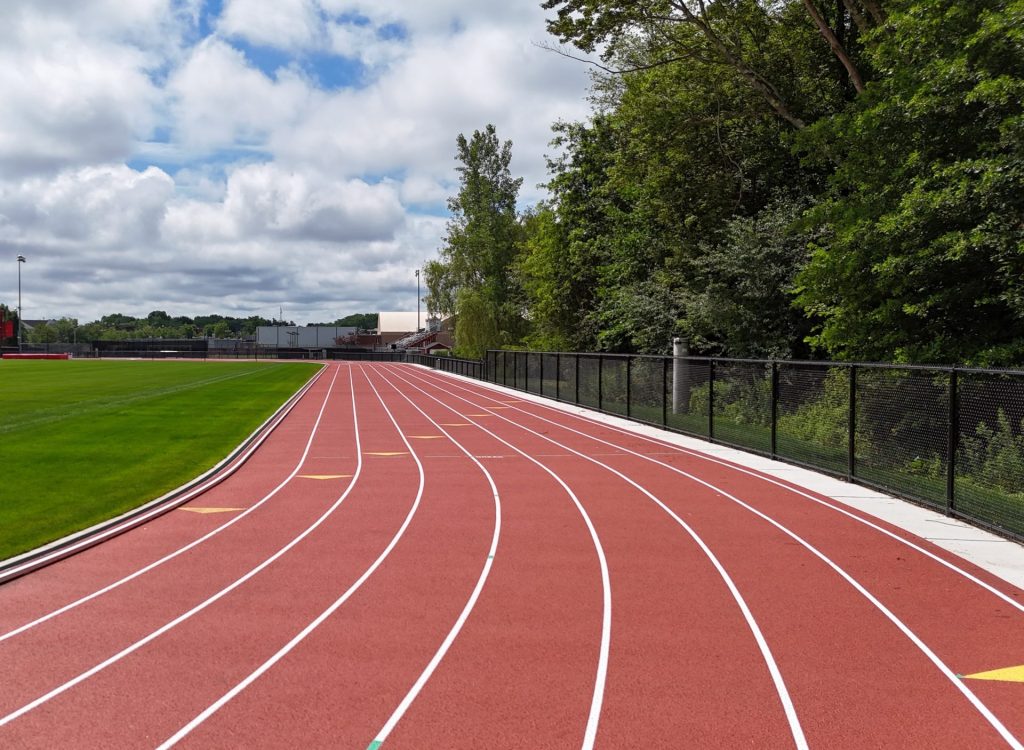
Physical education classes, conditioning drills, walking clubs, and community events may all take place on the same surface. Designing wider lanes, adding clear markings, and including convenient entry points can make the track easier to navigate for everyone.
Nearby seating areas, hydration stations, or open stretching zones can further enhance the overall experience and encourage consistent use throughout the year.
Planning for Safety and All-Day Accessibility
Effective drainage solutions help protect the surface from water damage and reduce slip risks after rain. Proper lighting placement allows the track to be used comfortably in early mornings or evenings, which is especially valuable for busy training schedules. Features such as perimeter fencing and visible signage can help guide users and create a more organized environment.
Working With Experienced Sports Surface Professionals
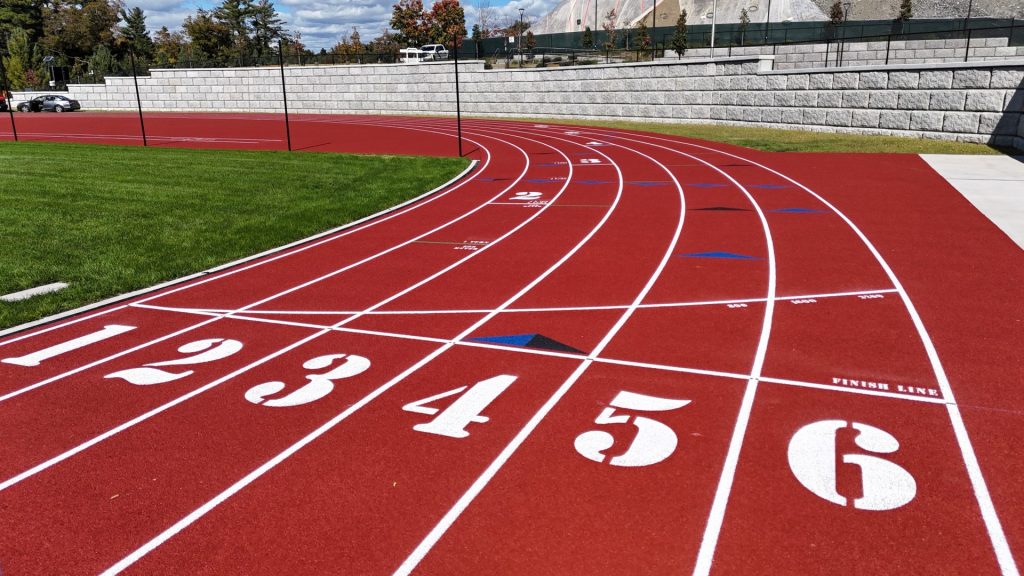
Partnering with experienced professionals ensures that the project is designed to meet performance expectations while staying within space constraints. With careful planning and quality craftsmanship, small campuses and training facilities can enjoy running tracks that inspire athletes, promote wellness, and add lasting value to the property.
Contact Classic Turf Co. at 800-246-7951 today or visit us online for more information!
