
Selecting the right surface for a new athletic field is about much more than deciding how much maintenance you want to perform. While upkeep is certainly important, it is only one factor in a much larger decision. During the design phase, it is important to think about how the field will be used, the local climate, scheduling needs, and the long-term budget. Looking at the complete picture helps create a field that performs well and serves athletes for years to come.
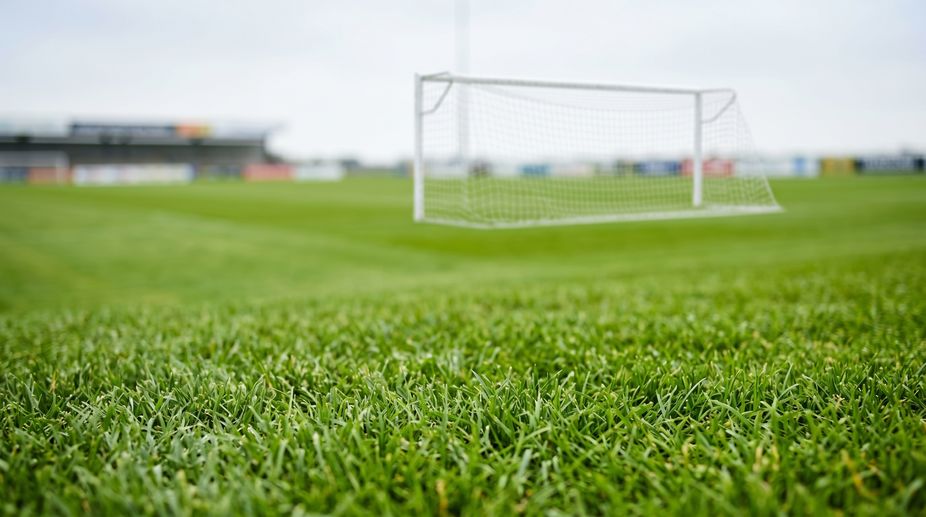
Start With the Purpose of the Field
Every athletic field has its own demands. A neighborhood park may only host games a few times each week, while a school or sports complex could see constant activity from practices, competitions, and community events.
When a field is expected to handle heavy traffic, the design team must choose a surface that can support that level of use. If the schedule is less demanding, natural grass may be an excellent option that offers a traditional playing experience while allowing time for the turf to recover between events.
Think About Local Weather Conditions
Climate should always be part of the planning process. Rainfall, temperature changes, and seasonal weather patterns all affect how a field performs throughout the year.
Natural grass requires healthy soil, proper drainage, and irrigation to stay in top condition. Synthetic turf offers a reliable playing surface in many environments, especially where weather can make maintaining natural grass more difficult. Designing with the local climate in mind helps reduce future challenges.
Plan for Your Schedule
How often the field will be used can have a major impact on the best surface choice. Schools, municipalities, and athletic organizations often have packed calendars that leave little time for field recovery.
When multiple sports and events share the same space, durability becomes a top priority. Understanding the expected schedule during the planning stage allows designers to recommend a solution that keeps the field performing throughout the season.
Look Beyond the Initial Investment
Budget planning should include more than the cost of construction. Ongoing maintenance, irrigation, repairs, equipment, and the expected lifespan of the field all contribute to the total investment.
A thoughtful design process considers both short-term and long-term expenses. This helps owners choose a solution that fits their financial goals while delivering lasting value.
Making the Right Choice
There is no single surface that works best for every athletic facility. The ideal choice depends on the goals of the organization and how the field will be used. By considering usage, climate, scheduling, and overall costs early in the design process, owners can make a confident decision that supports athletes and the community for many years. With the guidance of an experienced team like Classic Turf, every field can be designed to provide outstanding performance and lasting quality. Contact Classic Turf Co. at 800-246-7951 today or visit us online for more information!
